

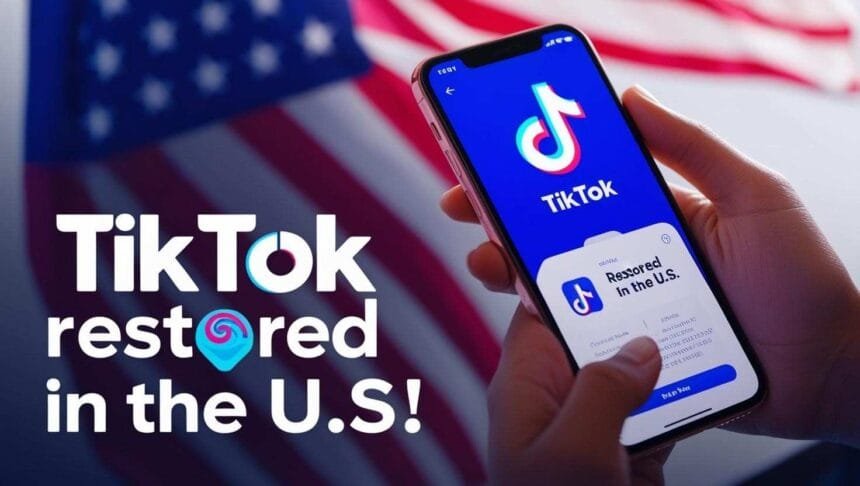
TikTok began restoring its service to U.S. users on Sunday following assurances from President-elect Donald Trump, marking a pivotal moment for the popular short-video platform.
This move comes after a tumultuous weekend during which TikTok was removed from app stores and blocked for millions of American users due to a law banning the app on national security grounds.
Trump’s Role in TikTok’s Return
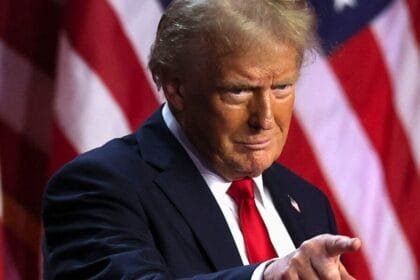
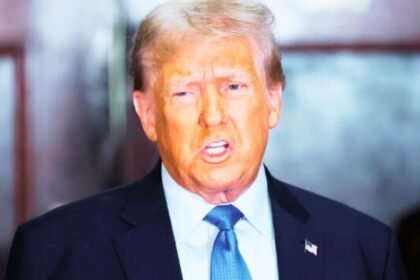
The decision to reinstate TikTok’s services followed Trump’s public commitment to saving the platform, signaling a dramatic reversal from his earlier stance in 2020 when he sought to ban the app.
On Truth Social, Trump announced plans to issue an executive order delaying the enforcement of the ban, which required TikTok’s parent company, ByteDance, to sell the app to a non-Chinese entity.
“I will issue an executive order on Monday to extend the period of time before the law’s prohibitions take effect, so that we can make a deal to protect our national security,” Trump wrote. He further assured service providers that they would face no penalties for supporting TikTok during this transitional period.
TikTok acknowledged Trump’s support in a statement: “We thank President Trump for providing the necessary clarity and assurance to our service providers… allowing over 170 million Americans and 7 million small businesses to thrive.”
STATEMENT FROM TIKTOK:
In agreement with our service providers, TikTok is in the process of restoring service. We thank President Trump for providing the necessary clarity and assurance to our service providers that they will face no penalties providing TikTok to over 170…
— TikTok Policy (@TikTokPolicy) January 19, 2025Gradual Restoration of Services
TikTok began restoring its content incrementally on Sunday. Initially, users could access the platform through web browsers, and later the app became operational for some, though it remained unavailable on Apple and Google app stores.
A message greeted returning users with, “Welcome back! Thanks for your patience and support… TikTok is back in the U.S.!”
The app’s future remains uncertain despite this temporary reprieve. Trump has floated the idea of a joint venture, proposing a U.S.-owned 50% stake in TikTok, but legal and political hurdles persist.
Contentious Political Landscape
The law banning TikTok, passed under President Joe Biden and upheld by the Supreme Court, stipulates that ByteDance must divest its ownership to resolve national security concerns. However, ByteDance has shown little interest in selling the platform.
Republican lawmakers, including Senators Tom Cotton and Pete Ricketts, have voiced opposition to Trump’s proposed extension and any workaround that keeps TikTok operational under ByteDance’s ownership.
In a joint statement, they emphasized that “there’s no legal basis for any kind of ‘extension’ of the ban.”
Despite Trump’s assurance, House Speaker Mike Johnson indicated skepticism, suggesting that a complete divestiture may be necessary to comply with the law.
Implications for U.S.-China Relations and Social Media
TikTok’s temporary shutdown has broader implications for U.S.-China relations and the social media landscape.
The ban underscores growing concerns about the security risks posed by Chinese-owned apps, with U.S. officials warning of potential misuse of Americans’ data by the Chinese government.
The controversy has also affected competing platforms. Rivals like Meta and Snap have benefited from increased investor confidence, anticipating a potential influx of users and advertising revenue if TikTok faces permanent restrictions.
Meanwhile, TikTok’s suspension disrupted small businesses, influencers, and marketers who rely on the platform.
Searches for VPN services spiked, and users scrambled to find alternatives to maintain their online presence and revenue streams.
ByteDance’s Position and Future Prospects
ByteDance has remained steadfast, exploring potential solutions to maintain TikTok’s U.S. operations without ceding full control.
Media reports have speculated on various scenarios, including partnerships or acquisitions by U.S. entities. Notably, rumors of a potential acquisition by billionaire Elon Musk have been denied by the company.
A long-term solution may require legislative changes or a compromise that satisfies both U.S. security concerns and ByteDance’s interests.
TikTok’s statement reaffirmed its commitment to working with Trump on a strategy to keep the platform operational in the U.S.