

White-collar crime is often painted as a victimless offense, a technical misstep buried in paperwork or financial jargon.
Yet in the United States, these crimes siphon billions from everyday workers, retirees, taxpayers, and consumers.
While street crime dominates headlines and courtroom drama, corporate wrongdoing frequently unfolds quietly – sometimes with little more than a fine that barely dents the culprits’ bottom line.
From fraudulent financial reporting to environmental abuse disguised as regulatory slip-ups, certain white-collar crimes are not only widespread but also notoriously difficult to prosecute.
Below is a deeper look into the types of corporate misconduct that routinely slip through the cracks of accountability.
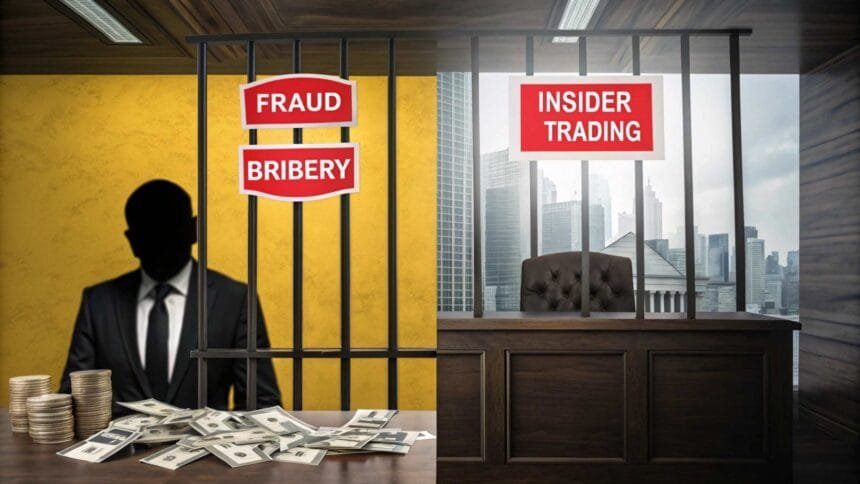
1. Rewriting the Ledger: How Financial Statements Get Falsified

Accounting fraud is the backbone of some of the most damaging corporate scandals in modern U.S. history.
When executives manipulate earnings, hide liabilities, or inflate assets, they distort the economic reality that investors, employees, and regulators rely on.
The schemes can be subtle – shifting expenses into future quarters or shockingly brazen, such as fabricating entire revenue streams.
Because these acts are committed behind the closed doors of accounting departments and verified by auditors who may be pressured into compliance, detection is incredibly difficult.
The harm, however, is painfully real. Investors lose retirement savings, employees get laid off when a company collapses, and the ripple effect can destabilize entire industries.
Despite these consequences, white-collar criminals who manipulate financial statements often face civil penalties rather than prison time.
2. Trading Secrets in Executive Suites: When Insiders Tilt the Market

Insider trading conjures images of whispered phone calls and stock tips exchanged over upscale lunches. In reality, it’s often far more sophisticated.
Executives and board members can influence markets with a single disclosure or lack of one. When they use material, non-public information to buy or sell securities, the average American investor stands no chance of competing.
Regulators like the SEC aggressively pursue insider-trading cases, but the challenge lies in proving intent.
Trades can be disguised as part of routine rebalancing or masked through offshore accounts, relatives, or complex trusts.
Even when caught, offenders often negotiate settlements rather than endure criminal trials.
This imbalance creates a sense of unfairness in U.S. markets. Everyday, investors play by the rules; insiders know how to bend or break them with minimal consequences.
3. Bribery Without Borders: Corruption in Global Commerce
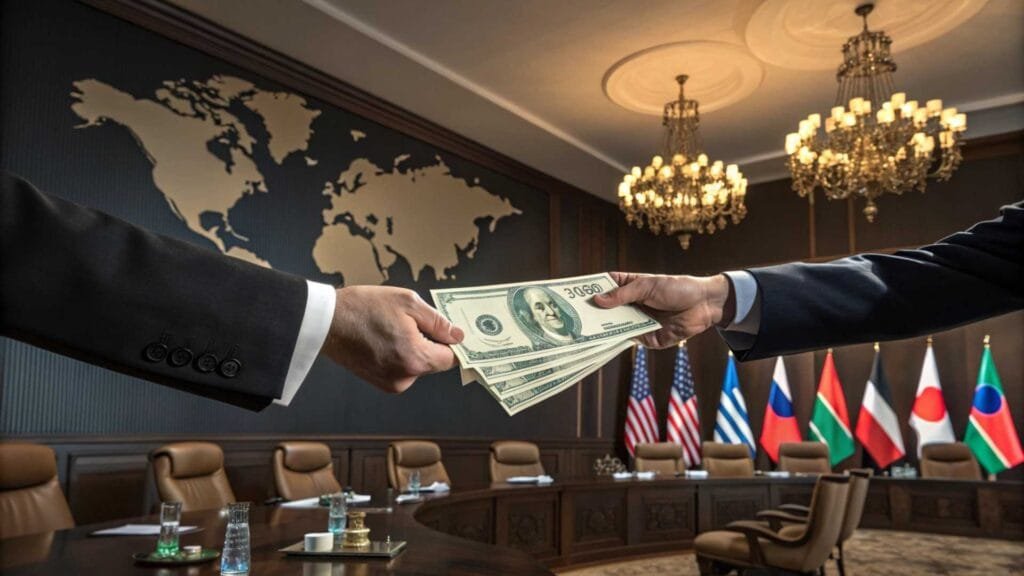
Corporate bribery is not just a problem in developing countries – it frequently involves U.S. companies operating overseas.
While laws like the Foreign Corrupt Practices Act (FCPA) prohibit bribery of foreign officials, enforcement is uneven.
In industries such as oil, mining, pharmaceuticals, and defense contracting, bribes can be disguised as “consulting fees” or “facilitation payments.” These transactions secure government contracts, fast-track permits, or eliminate competition.
Multinational corporations often protect themselves with layers of intermediaries, making it difficult to trace illicit payments back to decision-makers in the United States.
The result? Corporations may pay fines in the millions or billions amounts that, for major companies, represent a fraction of annual revenue. But the executives who authorized or benefited from the bribery rarely face jail time.
This disparity perpetuates the belief that corporate actors can buy their way out of accountability.
4. Cleaning Dirty Money: Sophisticated Laundering in Legal Markets
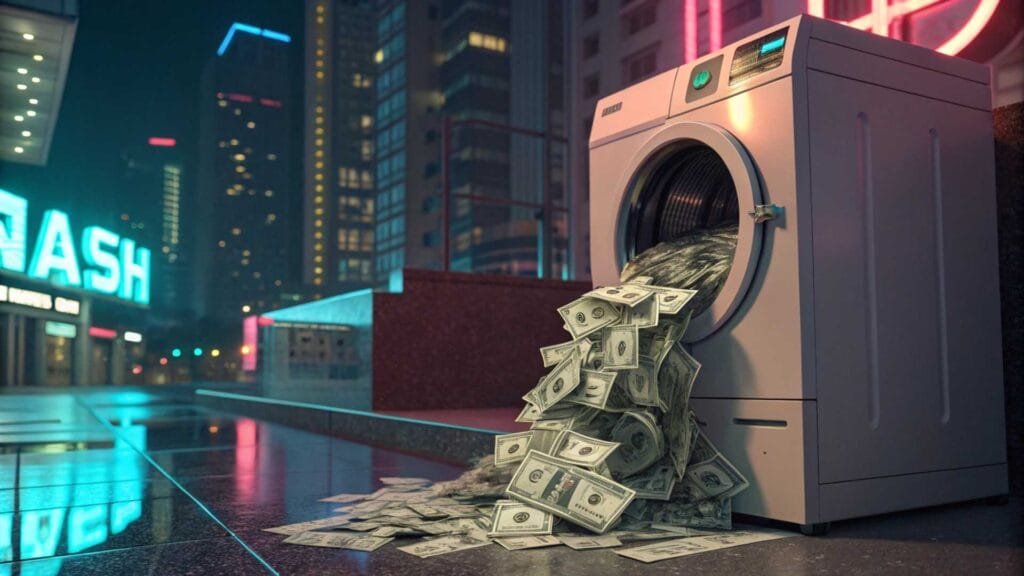
Money laundering is usually associated with organized crime, but white-collar professionals facilitate it more often than many Americans realize.
Accountants, lawyers, and financial advisors may knowingly or negligently help criminals transform illicit proceeds into legitimate-seeming assets.
In the U.S., criminals frequently funnel dirty money through:
- Real estate purchases in luxury markets
- Shell companies registered in states with opaque corporate laws
- Cryptocurrency transactions
- Complex financial instruments that mask beneficial ownership
These methods create massive challenges for regulators. While federal agencies have strengthened anti-money laundering rules in recent years, enforcement gaps remain.
Many facilitators avoid prosecution by claiming ignorance, even when clear red flags were present.
The losers in these schemes include honest businesses pushed out by illicit competition and communities distorted by artificially inflated real-estate markets.
5. Embezzlement in Plain Sight: When Employees Take the Money and Run
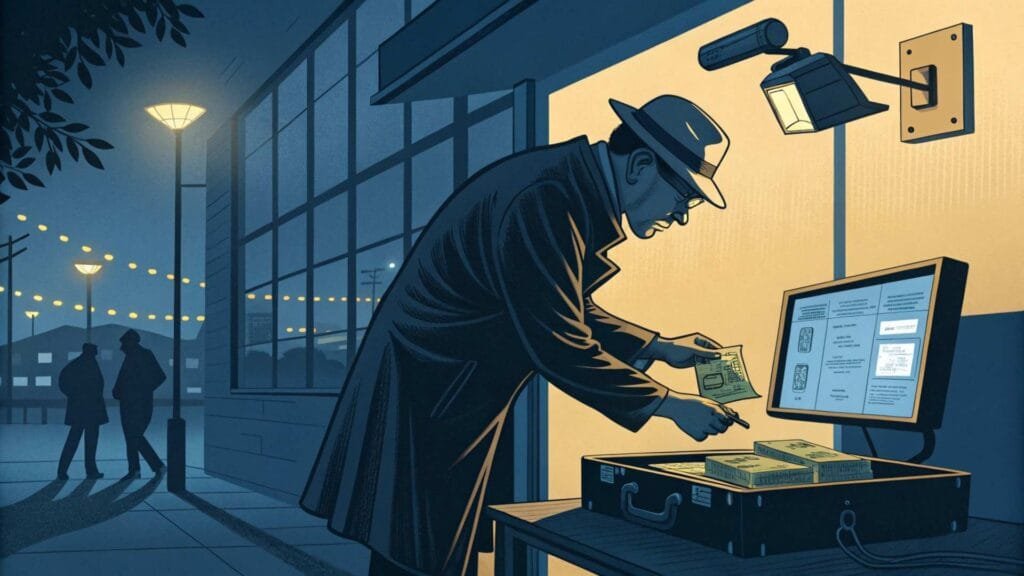
Embezzlement doesn’t only happen at Fortune 500 companies; it frequently occurs in small and mid-sized businesses, nonprofits, local governments, and schools.
Trusted employees may slowly siphon funds for years, sometimes comingling stolen money with personal expenses so seamlessly that financial controls fail to detect the theft.
Typical embezzlement schemes include:
- Creating fake vendors and issuing payments
- Diverting company credit card funds
- Altering payroll records
- Skimming cash receipts
For many victims, especially small businesses, the financial damage is devastating. Yet embezzlement cases often end in plea deals or probation rather than meaningful incarceration.
The psychology behind these crimes is equally concerning. Many offenders convince themselves that they are “borrowing” from their employer, or that they deserve the money for being undervalued.
By the time the theft is discovered, the losses can reach hundreds of thousands or millions of dollars.
6. Invisible Market Manipulation: Digital Tools That Mask Misconduct

Market manipulation is no longer limited to dramatic schemes like the 1980s junk bond scandals.
Today, high-frequency traders, hedge funds, and algorithm designers have tools that operate in milliseconds, executing trades faster than human perception.
Tech-driven manipulation can involve:
- Spoofing (placing orders one does not intend to execute)
- Pump-and-dump campaigns orchestrated through social media
- Wash trading to inflate volume
- Artificial price pressure created through algorithmic triggers
Because modern markets rely heavily on automated systems, tracking down intentional manipulation requires sophisticated forensic analysis.
Regulators must not only identify the misconduct but also prove intent, a significant hurdle when algorithms can be blamed for “unintended behavior.”
Even when firms face penalties, the fines may have minimal impact on their financial health, and the individuals responsible rarely face imprisonment.
7. Bankruptcy as a Loophole: Abusing a System Designed for Relief

Bankruptcy is meant to offer honest debtors a chance to reset, but some individuals and businesses exploit the process for personal gain.
Bankruptcy fraud can involve hiding assets, filing multiple bankruptcies under different identities, or falsifying financial records to discharge debts improperly.
In the United States, bankruptcy courts are overloaded, and trustees may lack the resources to fully investigate every questionable filing. As a result, fraudulent behavior can go undetected for years.
Some common tactics include:
- Transferring property to relatives before filing
- Undervaluing assets
- Creating fabricated debts
- Destroying financial records
While bankruptcy fraud is technically a federal crime, prosecutions are relatively rare compared to the number of suspicious filings.
This gap emboldens those who view bankruptcy not as relief, but as a strategy to avoid financial obligations.
8. Environmental Corners Cut: When Pollution Becomes Just a Fine
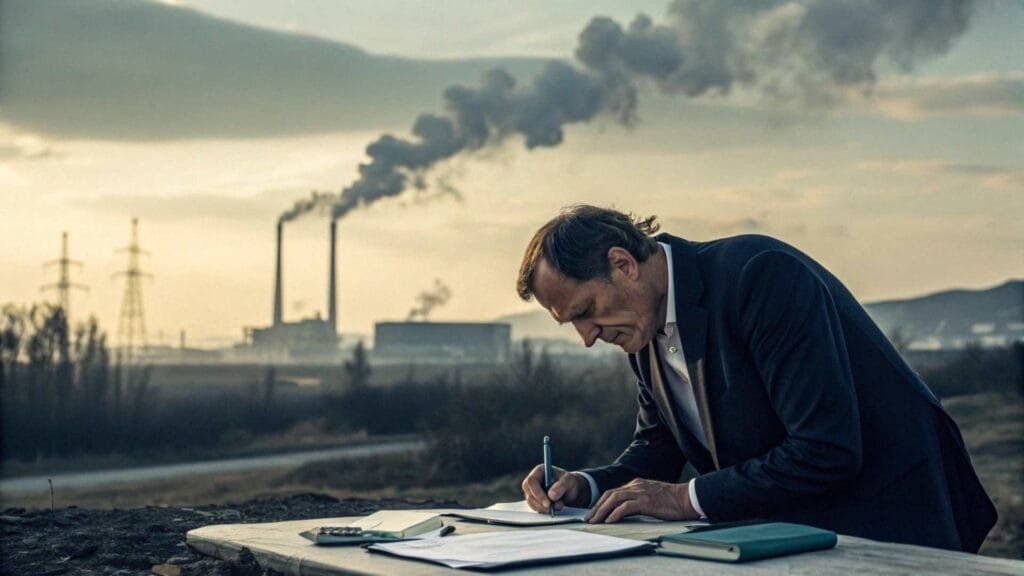
Environmental violations are often treated as regulatory missteps rather than criminal acts. Corporations may illegally dump waste, falsify emissions reports, or ignore safety protocols that protect surrounding communities, yet many cases end with modest fines.
The United States has robust environmental protections, but enforcement varies significantly across states and industries.
When violations are framed as administrative issues, companies may perceive regulatory penalties as simply a cost of doing business.
Communities, however, experience the consequences directly:
- Contaminated water supplies
- Unsafe air quality
- Increased health risks
- Destruction of local ecosystems
Despite these long-term harms, executives responsible for environmental abuses rarely face criminal liability.
Meanwhile, affected residents often low-income or marginalized communities often have little recourse.
Why White-Collar Crime Persists in the U.S.
White-collar criminals benefit from a landscape shaped by complex regulations, limited investigative resources, and the perception that corporate wrongdoing lacks clear victims.
Several systemic factors contribute to under-enforcement, including:
- Difficulty proving intent behind financial decisions
- High-powered legal teams that challenge every step of the prosecution
- Negotiated settlements that resolve cases without admitting guilt
- Regulatory capture, where industries influence the agencies meant to oversee them
- Public misconceptions that only violent crimes deserve harsh punishment
At the same time, victims of white-collar crime often suffer quietly. Their retirement accounts shrink.
Their communities face pollution. Their businesses shutter. Their trust in institutions erodes.
A Future of Accountability – If the System Evolves
Strengthening enforcement of white-collar crimes in the U.S. requires more than higher fines or periodic crackdowns. It involves:
- Increasing funding for regulatory agencies
- Enhancing whistleblower protections
- Improving transparency in corporate reporting
- Criminally charging individuals, not just corporations
- Modernizing laws to keep pace with digital financial systems
Only when wrongdoing is consistently met with meaningful consequences will the deterrent effect take hold.
White-collar crime may unfold far from the public eye, but its impact on the American economy and society is profound.
Recognizing these often-punished offenses is the first step toward creating a fairer, more accountable system for everyone.