



The intersection of scientific research and federal funding relies heavily on trust, transparency, and adherence to ethical practices.
When these principles are compromised, the consequences extend beyond monetary penalties, shaking public confidence in the systems designed to advance innovation.
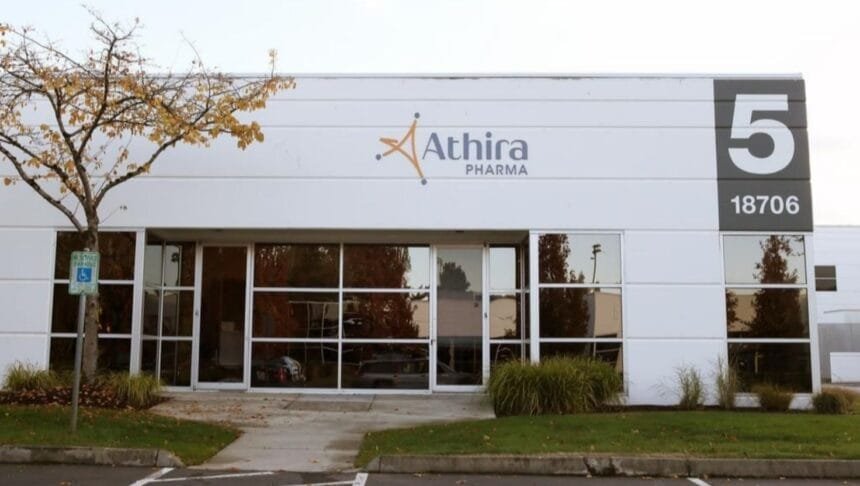
Such is the case with Athira Pharma Inc., a biotechnology company based in Bothwell, Washington, which recently agreed to a $4,068,698 settlement to resolve allegations of misconduct under the False Claims Act (FCA).
The Allegations and Settlement
Between January 1, 2016, and June 20, 2021, Athira Pharma failed to report significant allegations of research misconduct involving its former CEO, Leen Kawas.
These allegations centered on falsified and manipulated scientific images included in her doctoral dissertation and published research papers.
These images were referenced in several grant applications submitted to the National Institutes of Health (NIH), including a 2019 grant that was successfully funded.
Athira’s regulatory obligation required full disclosure of these allegations in grant applications, research progress reports, and other submissions to the Department of Health and Human Services (HHS) Office of Research Integrity.
The failure to meet these obligations undermined the integrity of taxpayer-funded research and violated the ethical framework that governs federal grant processes.
The settlement includes claims brought under the qui tam provisions of the FCA, allowing private parties to file lawsuits on behalf of the United States and share in any financial recovery.
In this case, whistleblower Andrew P. Mallon, Ph.D., will receive $203,434 for his role in bringing the allegations to light.
Reactions from Key Stakeholders
Federal agencies and legal representatives involved in the case underscored the importance of maintaining ethical standards in federally funded research.
- Brian M. Boynton, Principal Deputy Assistant Attorney General, highlighted the partnership between the scientific community and the government, emphasizing, “The Justice Department will pursue grantees that undermine the integrity of federal funding decisions.”
- Tessa M. Gorman, U.S. Attorney for the Western District of Washington, praised Athira’s eventual transparency, stating, “The company’s transparency significantly helped mitigate its damages and demonstrated its resolve towards compliance.”
- Steven J. Ryan, Special Agent in Charge of the HHS Office of Inspector General, reaffirmed the agency’s commitment to protecting public trust, saying, “The failure to disclose allegations of falsified and manipulated scientific images undermines public trust in taxpayer-funded research.”
Lessons Learned and Broader Implications
This case serves as a stark reminder of the importance of ethical conduct in scientific research and the rigorous obligations tied to federal funding. For companies and institutions engaged in research supported by public funds, the following lessons are paramount:
1. Transparency is Non-Negotiable
Transparency in reporting any allegations of misconduct is essential to maintaining the integrity of federally funded research. Athira’s failure to disclose allegations promptly not only violated regulations but also damaged its reputation.
2. Accountability Starts at the Top
The role of leadership in setting ethical standards cannot be overstated. In this case, the alleged misconduct of the former CEO had far-reaching consequences for the entire organization.
3. The Role of Whistleblowers
The qui tam provisions of the FCA play a crucial role in uncovering fraud and misconduct. Whistleblower Andrew P. Mallon’s actions underscore the importance of vigilance and the courage to report unethical behavior.
4. Federal Oversight and Enforcement
The involvement of multiple agencies, including the Justice Department’s Civil Division, the U.S. Attorney’s Office, and HHS-OIG, demonstrates the government’s commitment to combating health care fraud and protecting taxpayer investments in research.
The Importance of Ethical Scientific Conduct
Scientific research, particularly in fields like neurology, where Athira specializes, has a profound impact on millions of lives.
Research into neurological disorders such as Alzheimer’s and Parkinson’s Disease holds the promise of improving treatments and enhancing quality of life.
However, when the foundation of such research is compromised by misconduct, it not only delays progress but also erodes public trust.
Athira’s case illustrates how ethical lapses can jeopardize the delicate relationship between the scientific community and its funding partners.
While the company’s eventual transparency is commendable, the initial failure to disclose the misconduct highlights a critical need for robust internal oversight mechanisms.
Government Resources for Reporting Fraud
The resolution of this case highlights the government’s emphasis on combating fraud, waste, and abuse in federally funded programs.
The HHS Office of Inspector General encourages anyone with information about potential misconduct to report it via their hotline: 800-HHS-TIPS (800-447-8477).