




President Donald Trump’s aggressive immigration raids in Minneapolis are igniting national debate, far beyond border security.
The Democratic stronghold, led by Governor Tim Walz, Trump’s 2024 election rival, has become ground zero for federal agents deploying tear gas, smoke grenades, and lethal force against protesters.
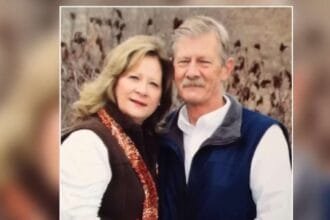
A stark incident unfolded when agents fatally shot Renee Good through her car windshield, sparking outrage.
Walz fired back on X, vowing Minnesota would stay “an island of decency, justice, community, and peace,” while a Trump Justice Department official branded the state’s pushback an “insurrection.”
This isn’t just about enforcement; it’s a battle testing America’s core identity.
Minnesota’s immigrant tensions trace back years, fueling Trump’s targeting. Despite ranking low nationally in immigrant numbers, the state hosts one of the largest Somali communities in the U.S.
Since the 1970s, Minnesota’s refugee-friendly policies have been rooted in post-WWII Holocaust aid and Vietnamese resettlement. earned it a reputation for Nordic-style generosity.
Civic groups, religious charities, and a robust social safety net embodied what political scientist Daniel J. Elazar called the state’s “moralistic” culture: politics as a tool for communal good, not self-interest.
Yet cracks emerged. In 2008, a Minneapolis Somali youth bombed a Puntland government building for Al-Shabaab, the first of dozens recruited to jihadist causes, including ISIS.
A 2014 poll showed waning support for Somali arrivals amid rising ambivalence. Trump tapped this in a 2016 rally, promising no refugees without local buy-in: “You’ve suffered enough in Minnesota.”
His message challenged civic nationalism, the idea that shared principles, not ancestry, define Americans, pushing exclusion for prosperity.
Recent scandals amplify the rift. A massive fraud scheme under Walz’s watch allegedly siphoned over $1 billion from social services, implicating Somali community members.
Post-George Floyd unrest in 2020 exposed the “Minnesota Paradox”: stark racial disparities in unemployment, incarceration, and education despite progressive rhetoric.
Critics from left and right question if homogeneity once fueled the welfare state, now strained by diversity.
Trump’s raids revive these divides. Rural Minnesota leans red, with Democrats’ support crumbling there, but urban blues dominate presidential votes.
The state rebuffed Trump in 2016, 2020, and 2024, even electing Rep. Ilhan Omar, the first Somali-American congresswoman.
Polls reflect backlash: A recent YouGov survey shows 56% of independents now disapprove of ICE actions, up sharply from last year.
This confrontation in Minneapolis symbolizes broader stakes. Trump’s vision polices belonging by origin; Minnesota defends pluralism’s messy reality.
As federal forces flood residential streets, locals from Floyd protesters to civic idealists unite against what they see as overreach.
Walz’s “This is not who we are” echoes a nation wrestling with the same question.
Yet with crime spikes post-2020 and fraud scandals, skeptics wonder if the state’s exceptionalism endures.
Also See: New U.S. Citizens Take Oath in Charleston Amid Surging Immigration Clashes